


Conservation First
How Divearoo protects dive sites and marine life through responsible data sharing and conservation-focused practices
“The ocean connects all life on Earth. Protecting marine environments isn't just about conservation — it's about preserving the future of our planet.”
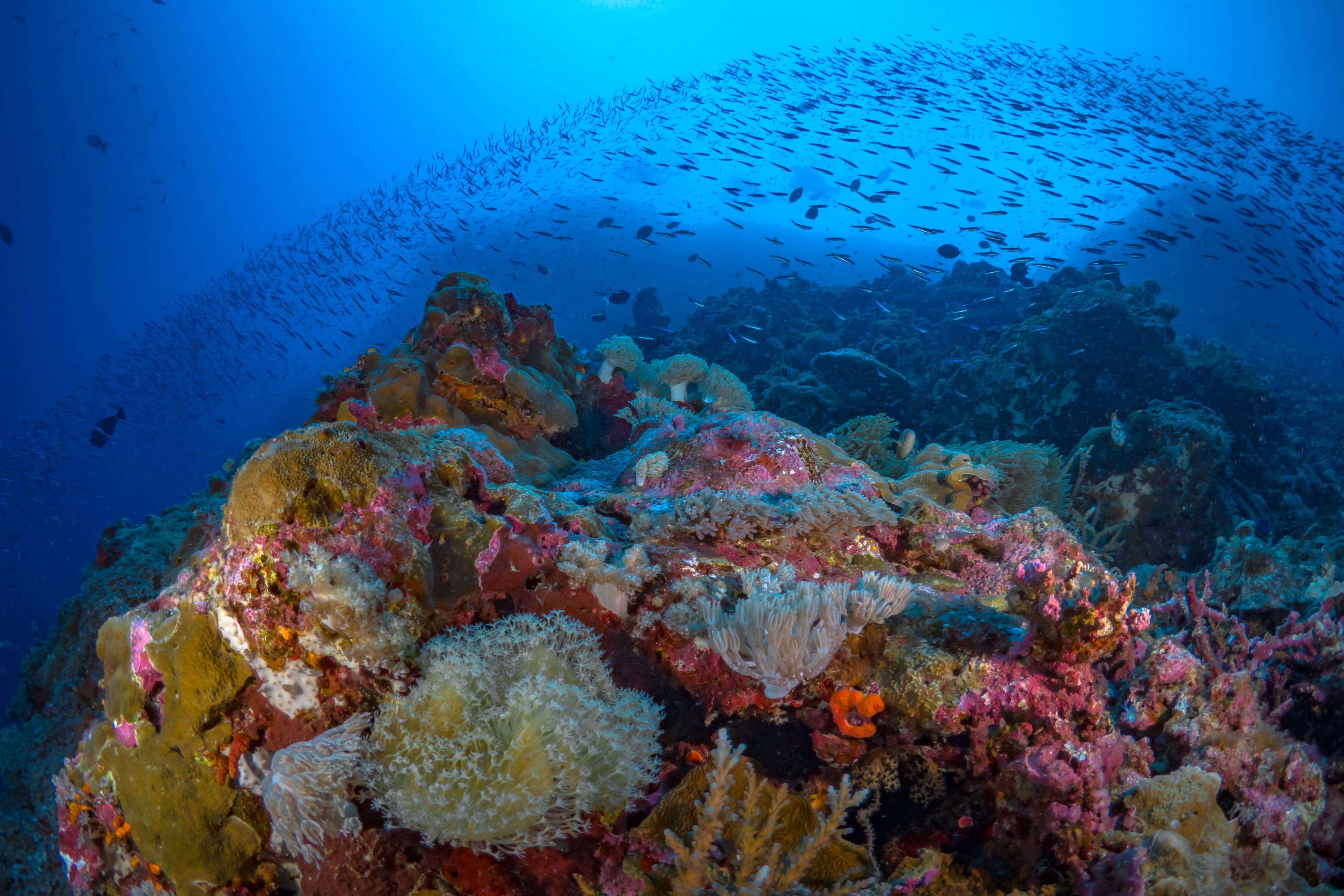
Our Conservation Values
Divesite Location
We understand that dive sites need protection from bad actors like poachers. Some communities prefer to keep exact dive site locations private to preserve their underwater ecosystems.
When communities strongly feel against showing exact coordinates, we respect their wishes by scrambling the coordinates to show the site somewhere in the general region instead of the precise location.
Community consent comes first — we prioritize protection over precision
Anti-Poaching Measures
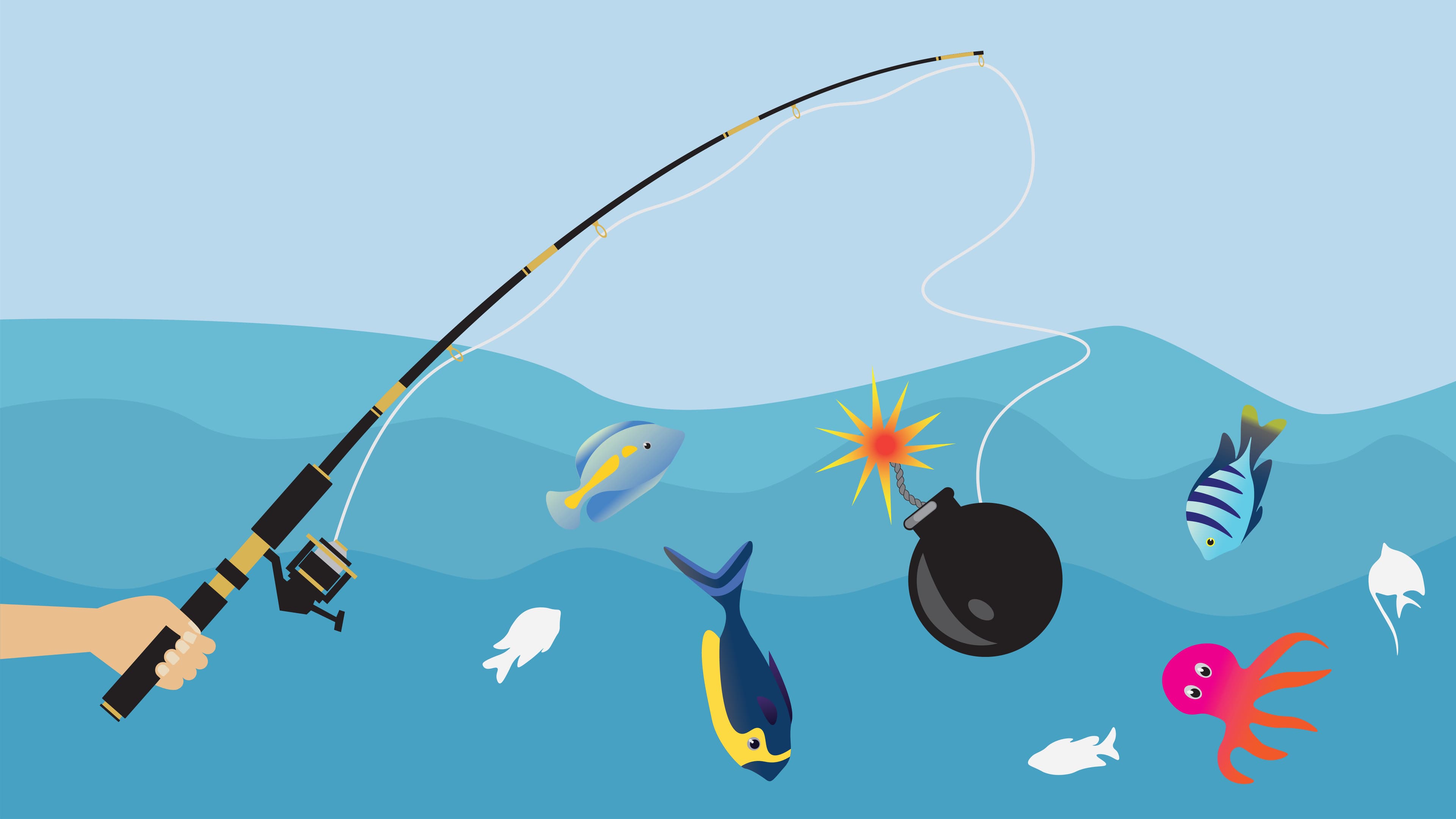
We never publish real-time data on marine life sightings to protect vulnerable species from poachers who might use this information to harm marine animals.
Our heatmap data is aggregated and delayed by a full quarter, ensuring that the information cannot be exploited by those with malicious intent while still providing valuable insights for conservation and dive planning.
3-month data delay prevents real-time exploitation by poachers
Responsible Diving Practices
Look, Don't Touch
Maintain the “look but don't touch” principle underwater. Marine life is fragile and touching can damage coral, stress animals, or disrupt natural behaviors.
Be mindful of your fins and equipment to avoid accidentally damaging coral reefs or stirring up sediment that can harm marine ecosystems.
Reduce Plastic & Chemicals
Choose to refuse single-use plastics wherever possible. Plastic pollution is one of the biggest threats to marine life and ocean ecosystems.
Avoid wearing sunscreen before entering the water as many contain chemicals harmful to coral reefs. Use reef-safe alternatives or protective clothing instead.
Our Climate Commitment
Conservation extends beyond marine life protection. Rising CO2 levels drive ocean warming and acidification, with higher temperatures causing widespread coral bleaching that devastates marine ecosystems.