


Protecting Our Oceans
How Divearoo's climate commitment helps remove CO₂ from the atmosphere to protect coral reefs and marine ecosystems
Every subscription contributes to carbon removal
30%
of CO₂ absorbed by oceans
Why Ocean Carbon Removal Matters
Ocean Acidification
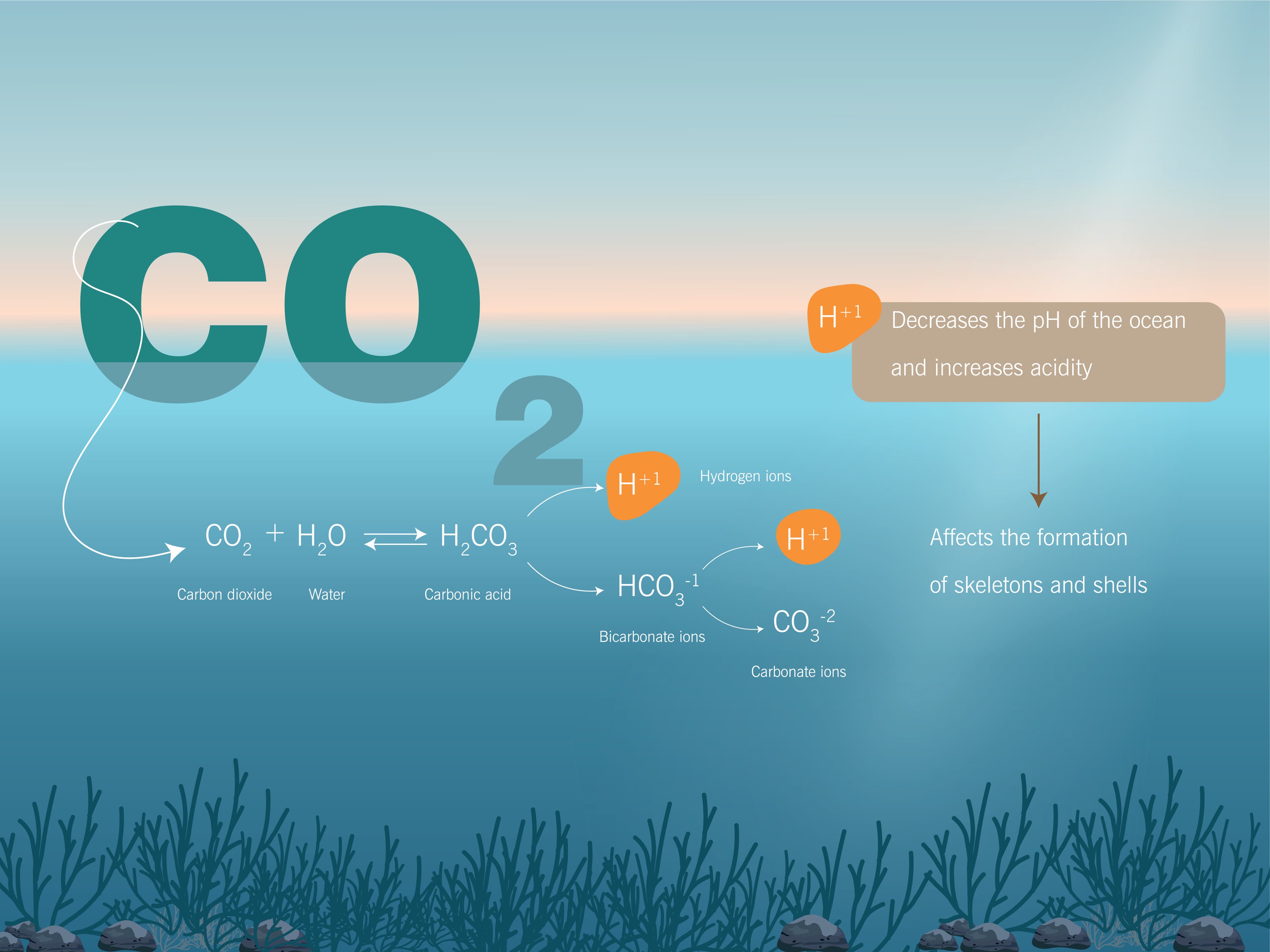
The ocean absorbs about 30% of human-produced CO₂, making seawater more acidic. When CO₂ dissolves in seawater, it forms carbonic acid, releasing hydrogen ions that decrease ocean pH.
This “ocean acidification” makes it harder for marine animals to build shells and skeletons, threatening coral reefs, mollusks, and entire underwater ecosystems that divers love to explore.
Ocean pH has dropped 0.1 units since pre-industrial times — that's a 26% increase in acidity
Coral Bleaching
Rising ocean temperatures from climate change cause coral bleaching events. When water gets too warm, corals become stressed and expel the colorful algae (zooxanthellae) that live in their tissues and provide them with energy.
Without these algae partners, corals turn white and often die, devastating dive sites worldwide and destroying entire marine ecosystems.
Back-to-back bleaching events in 2016-2017 killed 50% of Australia's Great Barrier Reef
Ocean-Focused Carbon Removal Technologies
Ocean Alkalinization
Adding safe alkaline materials to seawater enhances the ocean's natural ability to absorb CO₂ while reducing acidity - directly helping coral reefs and marine life.
Enhanced Weathering
Spreading crushed minerals on coastlines or farmlands accelerates natural rock weathering, permanently storing CO₂ as bicarbonate that flows safely to the ocean.
Marine Biomass Storage
Capturing organic matter and storing it in oxygen-free ocean environments prevents decomposition, keeping carbon locked away from the atmosphere permanently.
All carbon removal contributions are made throughStripe Climate— a platform that funds early-stage carbon removal technologies via Frontier's advance market commitment.